
Engaging Artists
Readings
uncovering Self archives: memory work as time travel and decolonial praxis
July 12, 2025
an offering, shared definitions:
- archive: a conceptual construct of a storehouse of recorded knowledge with outsized social and political significance that generally controls meaning and discourse and serves as a simulacrum of truth and fact
- archives: the organically created records of continuing value, particularly when the organization itself maintains the records
- de: prefix reverse of; and also: having a molecule characterized by the removal of one or more atoms (of a specified element)
- colonial: of or relating to a period when an area is being colonized and especially to the period of European colonization in U.S. history between the early 17th century and the late 18th century
- colonialism: domination of a people or area by a foreign state or nation : the practice of extending and maintaining a nation’s political and economic control over another people or area
- praxis: practical application of a theory
I collect paper like it’s nobody’s business. It makes me feel safe, for whatever that is worth. If you hand-wrote me a card, chances are that I still have it. With a name like “Tracia Banuelos”, I don’t see my name printed without intention, leading me to collect mailings with my name and repurpose them as I see fit. I even kept my high school IEP because it felt like my teacher’s passing notes about me — now I have their records.
My Nana, Tracy, taught me how to read, write, ‘rithmetic, ride a bike, hustle, make phone calls — conducting the business of life. She raised me on scripture and storytelling. My siblings and I had to memorize Bible verses each morning and recite them in the evening. Among all that she taught me, though, literacy is my favorite. Following suit, I’ve documented my life in personal notes. When I took notes in religious meetings I attended with her, I responded to what was said to me within the margins, sometimes turning notes from a biblical discussion into full-on personal journaling. There I sat in a religious space attempting to connect to this higher power by uncovering Me: finding myself within the reverberation between what I heard, what I felt, what I thought, what I wanted, and what I deserve. Silenced in those rooms because I was a woman. Loud with the pen, then.
the archive is a living, breathing system
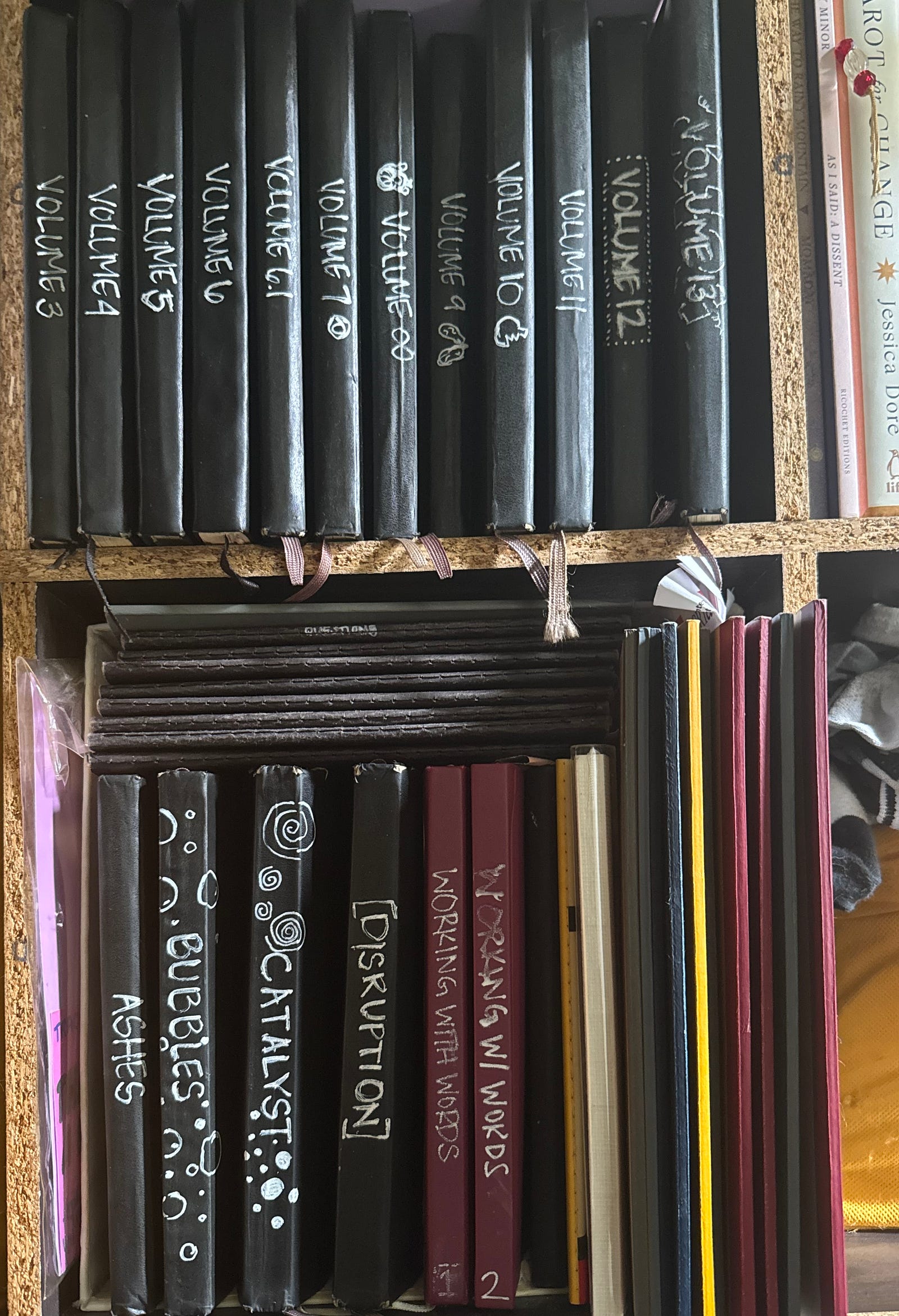
My artistic practice, therefore, has been cultivated around personal reflection and critical inquiry with the world around me. When I began the More Art Engaging Artist Fellowship, I already had over 15, A5 sketchbooks and journals documenting the past few years of my life. But I have very few surviving art relics from 2006–2016, which led me to start my current personal archive in 2017. Journals that house my day-to-day musings, rants, and random lists are identified by numbers, and visual diaries and workbooks are marked with letters and later titles. Along the way, I started leaving spaces for future me’s thoughts and reflections. Spaces then came with questions: “Future Trae, does X happen? What about Y? Do we even care about Z?”. The more I asked questions that later me would later respond to, the more I cemented in my mind the reality that I would make it to these life milestones that did not feel guaranteed. Over time, I became enamored with my reflection process and sometimes the reflections themselves. In my visual books, I realized I was reading every single page before adding a new contribution because I wanted to continue the conversation of the Artist I stepped into during flow states. It is here where I started time traveling.
My book abuelita rising, covers my journey leaving my dogmatic upbringing and choose Divinty — however it showed up to me — all patterned after what I witnessed from my grandmothers, wearing their personalities on me daily. This book of poetry, prose, and visual art spans pictures from my childhood through leaving Kansas and finally making the Big Move to New York City. The entire process meant looking back, looking within, and working with the personal archives I had. I scanned my diary, using my most intimate pages as backdrops. Looking back at my journals, I saw myself grapple with the words that led to the poems of the book. Here, my young Self had chronicled her resistance to Christianity in real time. What would my family line be like if my ancestors had the same? Or worse, what if they did, and those too were destroyed? Where are those words now?
Throughout my life, my Nana had mentioned to me that there was a “family Bible” in the Carolinas. It was only a year before she passed that I learned that the aforementioned Bible chronicles the names of our family members, a documented lineage of who was brought from Africa to the Americas. Is this our longest-standing archive — being in God’s margins? And only there because we added ourselves?
working thru time’s emotional loopholes
I started abuelita rising as a “graduation” gift from myself for leaving Kansas and working with a great kickass therapist in Upstate, NY, but she became a spellbook for the life I deserve and a diatribe against violence experienced in systems. Writing was my space to process the anger and confusion in my dance with systems that read more like a fight scene. I was almost excommunicated for registering voters. I married someone I loved, and submission and domination were nowhere in our vows. I sought and received academic validation from the same fields of thought that were constructed on my dehumanization through race, gender, fatphobia, homophobia, classism, the gambit.
In the original copy of the book, I excerpted comments from the one IEP I had left. I hadn’t always processed the magnitude of being a student of color in Kansas until a field trip to the Brown v Board of Education museum in Topeka, KS. One except from the IEP reads like this:
“tracia’s GCA score on the DAS, places her in the “high” classification of intelligence (9/01). interviews with tracia and tracia’s teacher’s indicate that these scores appear to be a valid measure of her cognitive functioning. additional testing is not deemed necessary at this time. written by s.b., 9/13/2004. potential: high”
Potential: high. Something within me vibrates every time I read those words. Of all the records surrounding me and my family — credit scores, criminal records, birth certificates outing non-American parents — I also had one that marked me in a way that forced my educators to acknowledge me in a way that I respected. And while I cannot Ctrl+Z the documents written against my survival, thanks to More Art, I found myself in the canon of artists working with documentation in a way that upends the goals of colonization from multiple vantage points. When OlaRonke Akinmowo presented about the Free Black Women’s Library, she opened her discussion with three Black women archivists that inpsire her social art project and practice. She articualted the theories I was feeling. Betty Yu’s familial methodologies, particularly use of family photos and stories as foundations to work from gave me a toolkit and potential model to keep my family’s lessons alive. And by the time that I came back to my usual frustrating logic puzzle about systems, it felt like the ultimate serendipity to learn through Andrew Freiband’s model with the Artist Literacies Institute. His practice gave me language I had been searching for, and I finally felt like I had I needed to think differently. In one year, years of my life feel restored because I had tools. I feel the same vibration again: potential: high.
“find Me in the archives”
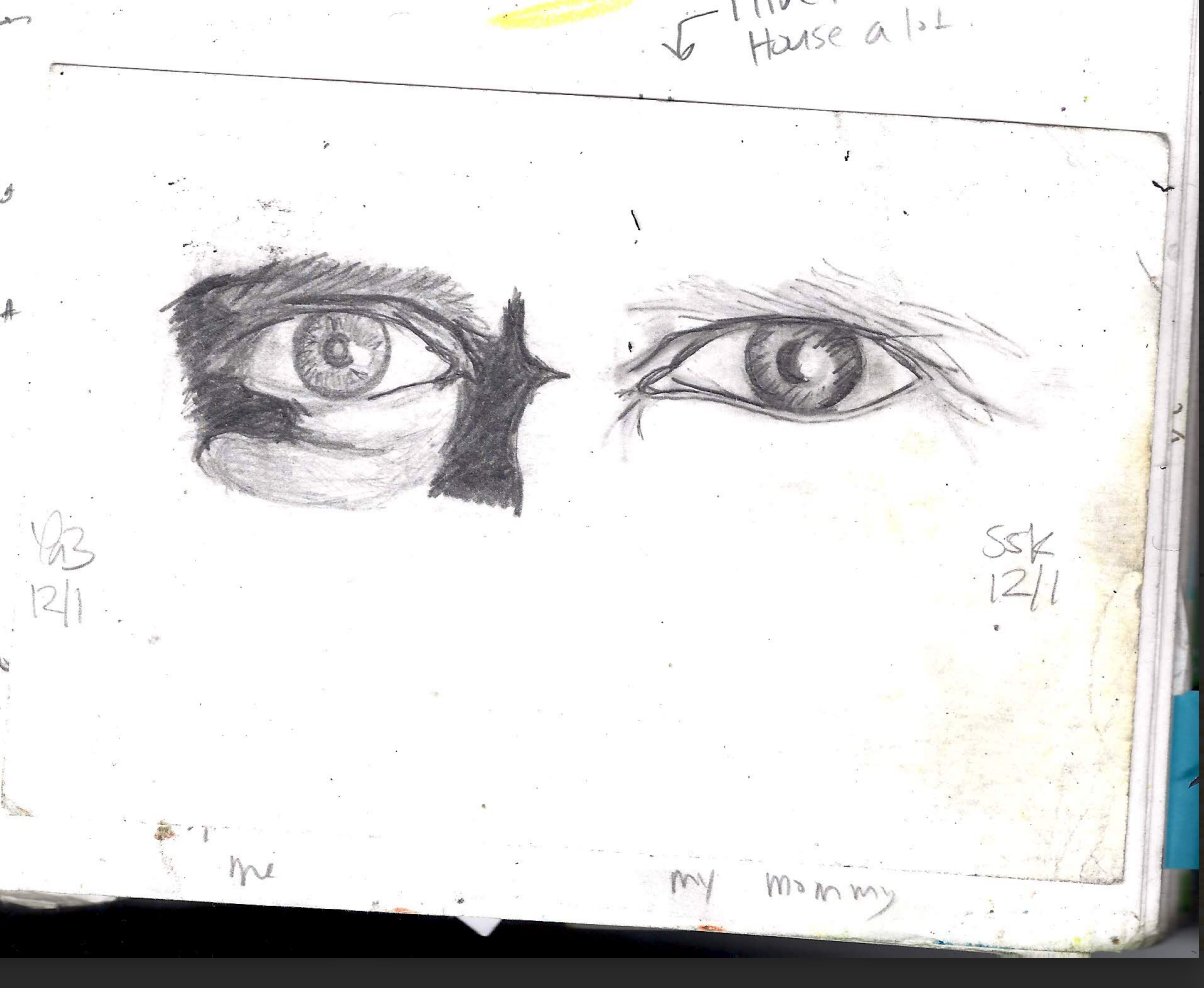
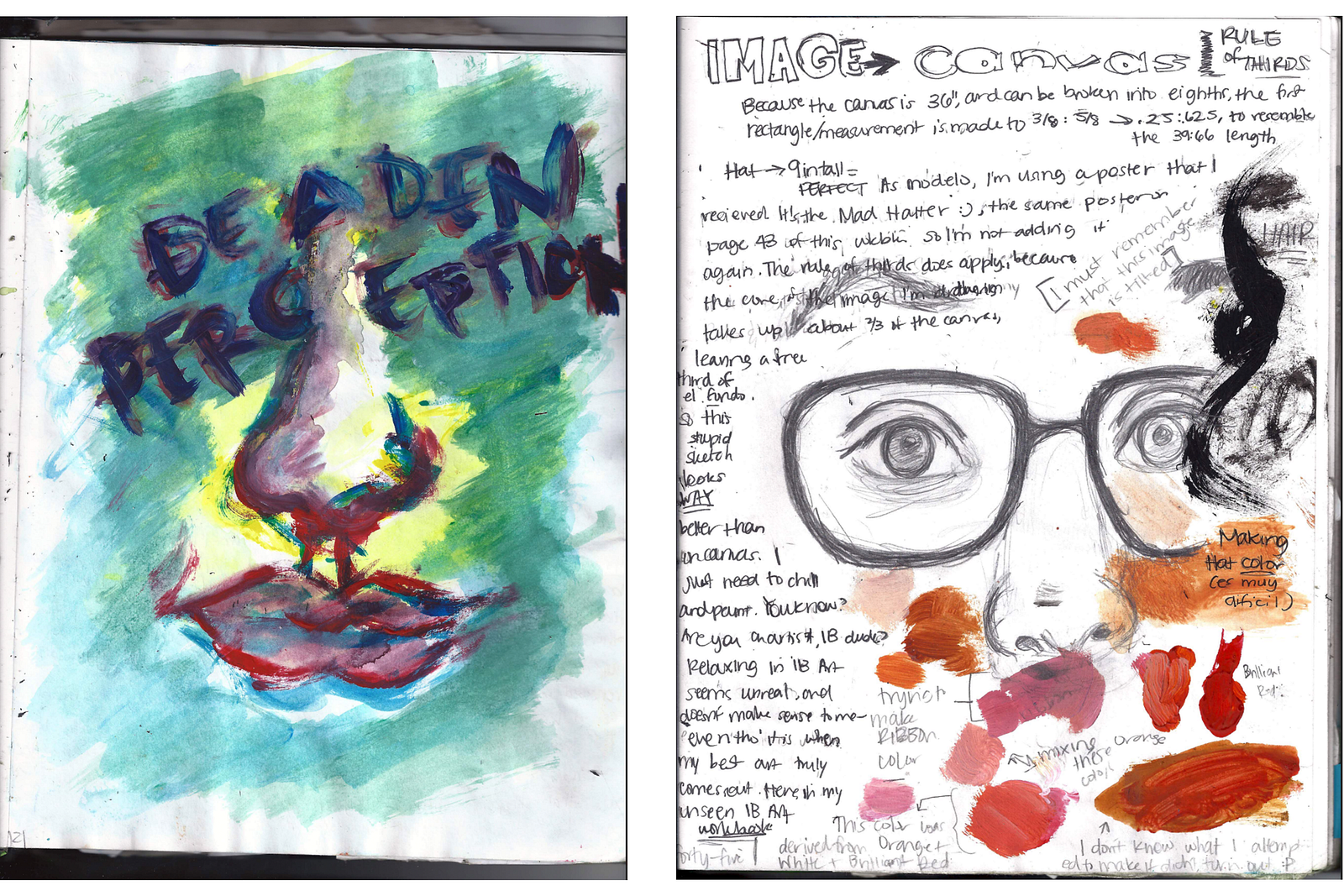
In April of this year, I sat at a cafe in Chelsea, scrolling through my old Yahoo! email address searching for photos of my younger self before a More Art Open Gym. I had been through this email hundreds of times, but I wanted to procrastinate on a different task a little longer, so I started looking through the .pdfs. How magical it felt to find a 40-page scan from my International Baccalaureate (IB) art workbooks sent to my art teacher for grading. At the time, I was one of the few students who chose “Option B” — to create fewer studio work products, but invest more in the process pages and submit those. At the time, I felt like a cop out. I didn’t feel like a “real artist” because these sketchbooks gave me a high beyond canvas; they gave me endless space to question, to move, to think differently, to change how I felt about what hurt, to find new ways to feel alive. But my peers created incredible works: sculptures, paintings, drawings, photos, that existed in just a moment and required no further contextualization nor explanation, my bread and butter. I don’t think I have ever given myself the proper credit for the magnitude of that type of inquiry as a teenage artist. I looked back at my time in the IB program with much self-criticism and less celebration. It took years to shift out of that mindset, but it still echoes in my mind on rough occasions, given that I still create more workbooks than products.
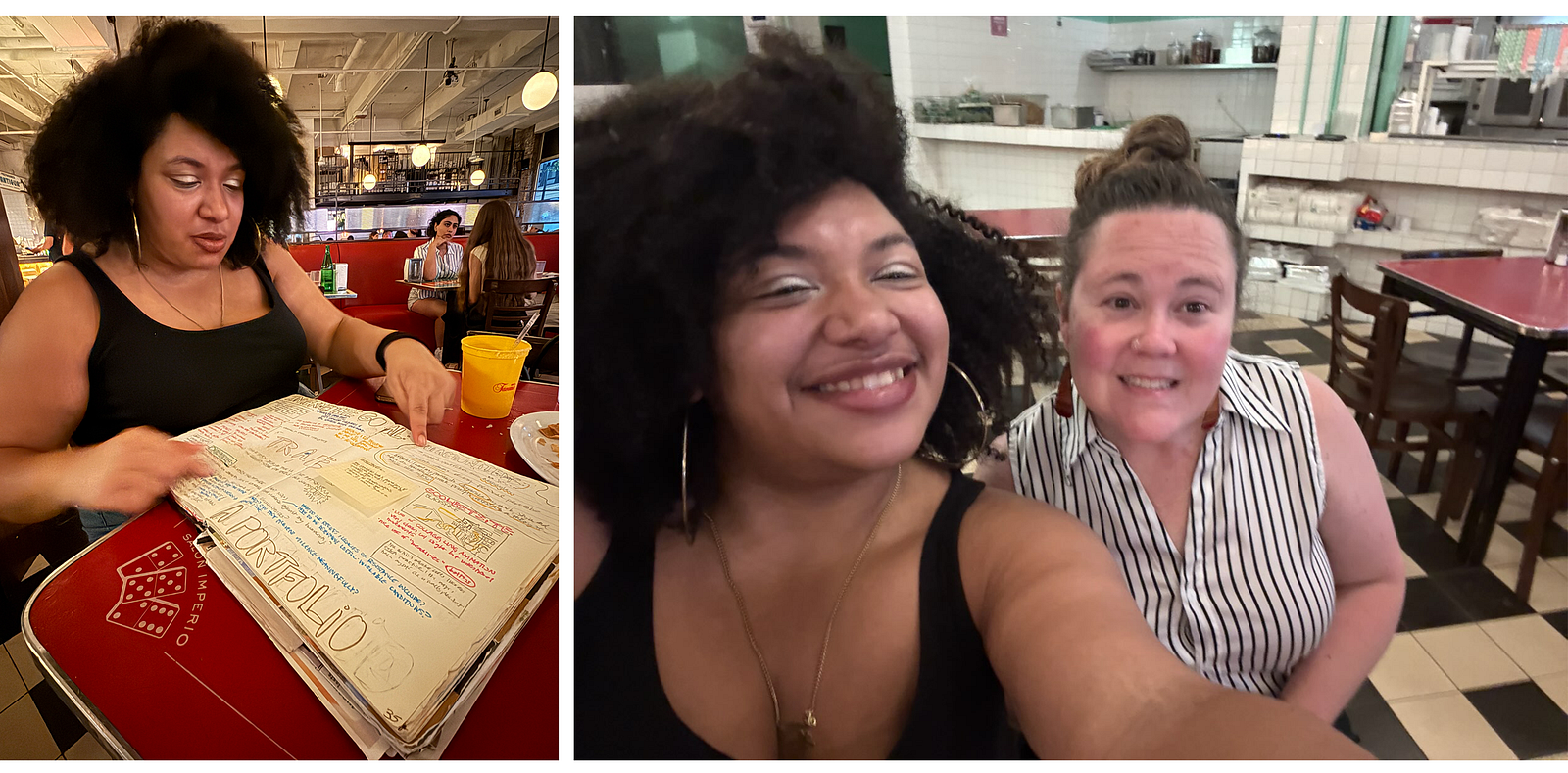
Last week, my high school art teacher was in New York City for a conference, so we met for dinner. I showed her my More Art sketchbook — I never imagined that she would see it, let alone hold it. As we discussed life, changes, and art, she shared with me that the curriculum I chose 14+ years ago is becoming the standard for all IB artists, as many practicing artists globally are finding and exhibiting their creativity in the process of art-making rather than the product. I hope students get out of that experience what I have since 2009: to keep asking the hardest questions as artiste because Art is the only space that can hold both the question and explorations simultaneously; to take a step back and examine not only the systems we dance with, but the way other artists, grandparents, magicians, and exploited peoples have used creativity to survive, destroy, to raise children, and to live. As people targeted for destruction, when entire systems have been devised to eradicate us without acknowledgment, often reduced from humans to space occupants, when we resist these narratives and choose to still create anything, there is no greater art we can create than our own lives. The only caveat is that we must keep living.
the archive is a living, breathing system
working thru time’s emotional loopholes
find Me in the archives
there is no greater art we can create than our own lives
the only caveat is that we must keep living.
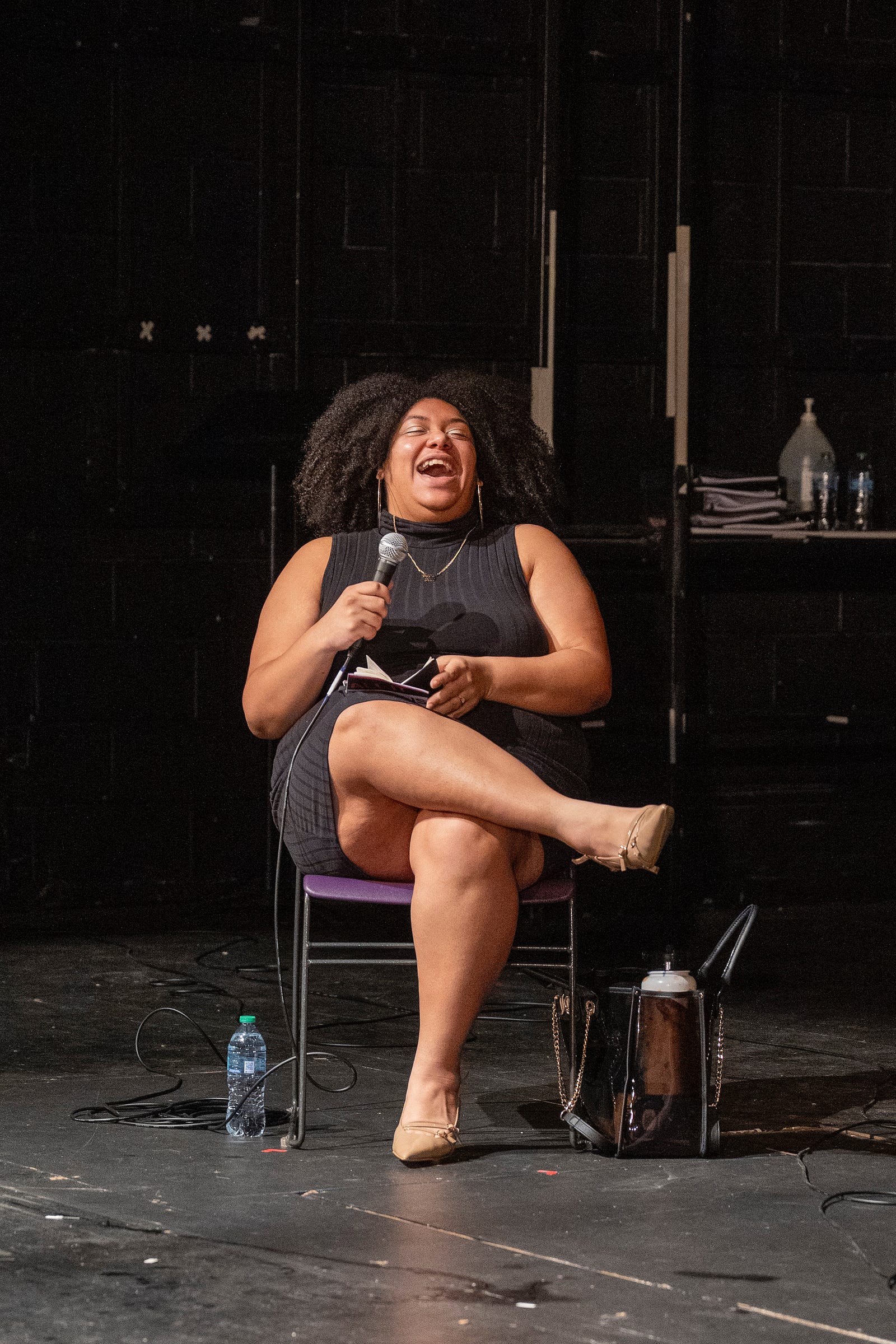
Tracia “trae” Banuelos-Rovaris (she/they) is an artist, social researcher, and facilitator based in Harlem with roots in Wichita, KS, where she developed a foundational, reproductive justice approach that guides all of their work. As an artist, they collaborate with other poets and creatives to build and facilitate community workshops, zines, and co-creating spaces for arts practitioners rooted in liberation from advanced capitalism, systemic healing, and compassionate community values. In 2023, she self-published her autobiography “Abuelita Rising”, a 90-page body of poetry, visual art, and critical essays. Equipped with a MS in Applied Social Research, she enjoys using mixed research methods to contribute to sexual violence prevention research and program evaluation. As a facilitator, she enjoys investing in social justice practitioners and violence preventionists through capacity-building workshops and strategic planning. She organizes with the Audre Lorde Project as a Safe Outside the System Member and also serves as the Executive Director of Abortion Conversation Projects, a 501c3 organization that provides seed grants to abortion stigma-busting, grassroots projects. You can connect with her work at traciabanuelos.com.
This article is also published on More Art’s Medium site.